Join me as I garden, harvest, preserve and ponder life in the garden. (this blog is not super-active FYI). Check out my other sites GG online
Thursday, September 3, 2015
Frog in a Parsley, Shoo Fly Shoo...
Well, the blessed rains have returned! My soul rejoiced to wake after a stormy night and see a bright-cloudy sky and breath the freshly washed air! Hallelujah
The rains have also re-awakened the tree frogs. Here's a Pacific Tree frog reclining on my parsley. It's the fourth one I've seen in two days. The kids are thrilled (and so am I). They are such dear friends to find amongst the veg.
Strangely, however, my grape hyacinths think it's time for them to return as well. They are a couple-days into sprouting. It will be interesting to see if they manage to bloom.
Fall is in the Air - Applesauce
Nothing says, "Fall" quite like the smell of applesauce slowly simmering away in the house. And, for us Pacific North-westerners, That wonderfully, fresh smell to the air when the rains finally return. The Summer's dust has finally been washed away and we can breath again.
This year I made my applesauce in a crock-pot. All the steps are the same: peel, core, slice, reduce, season... it just is a bit of a slower pace so that I can make it an all-day project and do it in chunks of time as they become available (those with little ones will understand this strategy).
Last year, I had an extra hand and was able to do my batches more efficiently.
This year, my son and I picked about 10 gallons of apples. It took me two days to get them all put-up but it ended up being just over 6 quarts in the end.
One addition this year is an attempt to make Apple Cider Vinegar from the scraps. I will let you know how that goes.
These are the Hands 2
Now that's more like it!
Back in January I was feeling remiss that my hands were getting soft and plump - the effects of indoor-rest season. Now I rejoice at the dirt-caked fingernails, dark skin, cracks, calluses, hardened finger-tips... the joy of a body well-used. Now when I reflect on my manicure again in January, I will not feel ashamed. I will be able to feel satisfied in a well-deserved rest for weary hands.
Pickle Time!
It's pickle time again. I really like my dill chip recipe from last year. They were super-yum and pretty simple. I used the large-batch measurements which made enough brine for 10 pints. The first 5 pints I cut by hand to about 1/4 inch. The second 5 pints I cut with a mandolin so they would be thinner, about 1/8 inch. I'm curious to see how it affects the taste. The thinner pickles were easier to stuff in the jars, but I'm not sure I got more stuffed over-all. To find out, I'll have to first wait six weeks for the pickles to season.
Thursday, August 13, 2015
Seeds
There is talk of rain tomorrow. And, especially THIS season, that's a big deal. We haven't had rain since...... Well, we've had sprinkles, but no real rain that I can remember since April-ish. And now it's August. So I've been allowed to procrastinate on harvesting seeds.
Harvesting seeds is not my favorite thing. It's a bit tedious, a bit messy, and the benefits are delayed. However, it is very satisfying to look at a jar of pickles and know not only are the cucumbers, onions, and garlic from my garden, but also the coriander, dill, celery seed, and mustard seed!
Step one - Grow the plant
Mustard seed comes from mustard plants, dill seed comes from dill plants, celery seed comes from a year 2 celery plant, and coriander comes from a cilantro plant.
Step two - dry the plant
Dill, celery, and coriander dry sufficiently well on the plant in-ground as long as you're not getting crazy rain or over-watering. Mustard must be pulled and dried to a crisp. If not sufficiently dried, the harvested seeds can easily mold. Which happened to the seed I harvested last week! Boo, so disappointing. At least it molded quickly and before I tried to use it.
Step three- seed collection
Dill, celery, and coriander can be collected straight from the plant into a bucket or bowl and then transferred into a storage container. I really like to use sanitized glass jars and keep the lid off but handy. This allows good ventillation, I can write on the side, and there's no organic matter in the container itself to mold (such as would be in a paper-based container).
Mustard seeds are in seed pods that pop open when crushed or even sometimes touched. The trick is to remove the seeds from the pods without seeds going every which way and without too many pods getting into your seeds. I've finally settled on crushing the pods over a giant bowl and then skimming the pods off the top before transferring to a glass jar. Another trick- if I blow at the seeds while I pour, some of the smaller chaff blows away. It's a labor of love because it makes a big mess and is a huge project both in space-occupied, and time it spends lying around drying out. But my goal is to one day have enough mustard seed to both add to pickles AND make home-made mustard! Plus, the bees LOVE the flowers and it grows easily.
Harvesting seeds is not my favorite thing. It's a bit tedious, a bit messy, and the benefits are delayed. However, it is very satisfying to look at a jar of pickles and know not only are the cucumbers, onions, and garlic from my garden, but also the coriander, dill, celery seed, and mustard seed!
Step one - Grow the plant
Mustard seed comes from mustard plants, dill seed comes from dill plants, celery seed comes from a year 2 celery plant, and coriander comes from a cilantro plant.
Step two - dry the plant
Dill, celery, and coriander dry sufficiently well on the plant in-ground as long as you're not getting crazy rain or over-watering. Mustard must be pulled and dried to a crisp. If not sufficiently dried, the harvested seeds can easily mold. Which happened to the seed I harvested last week! Boo, so disappointing. At least it molded quickly and before I tried to use it.
Step three- seed collection
Dill, celery, and coriander can be collected straight from the plant into a bucket or bowl and then transferred into a storage container. I really like to use sanitized glass jars and keep the lid off but handy. This allows good ventillation, I can write on the side, and there's no organic matter in the container itself to mold (such as would be in a paper-based container).
Mustard seeds are in seed pods that pop open when crushed or even sometimes touched. The trick is to remove the seeds from the pods without seeds going every which way and without too many pods getting into your seeds. I've finally settled on crushing the pods over a giant bowl and then skimming the pods off the top before transferring to a glass jar. Another trick- if I blow at the seeds while I pour, some of the smaller chaff blows away. It's a labor of love because it makes a big mess and is a huge project both in space-occupied, and time it spends lying around drying out. But my goal is to one day have enough mustard seed to both add to pickles AND make home-made mustard! Plus, the bees LOVE the flowers and it grows easily.
Tuesday, August 11, 2015
Bees, Wasps and Hornets
Craziest thing,
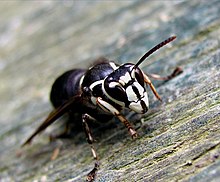
we were going to eat outside on the deck when all of a sudden, this gal...
https://upload.wikimedia.org/wikipedia/commons/thumb/4/4d/Baldie.jpg/220px-Baldie.jpg
...the bald-faced hornet, zips out of nowhere and tackles this poor innocent lady...
https://upload.wikimedia.org/wikipedia/commons/thumb/c/c5/Wasp_May_2008-11.jpg/220px-Wasp_May_2008-11.jpg
...the paper wasp, wrestles her to the ground, stinging her repeatedly. They fall through the deck cracks. The hornet comes back to buzz around the corn on the cob. The wasp is never seen again.
We then eat inside.
https://upload.wikimedia.org/wikipedia/commons/thumb/4/4d/Baldie.jpg/220px-Baldie.jpg
...the bald-faced hornet, zips out of nowhere and tackles this poor innocent lady...
...the paper wasp, wrestles her to the ground, stinging her repeatedly. They fall through the deck cracks. The hornet comes back to buzz around the corn on the cob. The wasp is never seen again.
We then eat inside.
Thursday, August 6, 2015
Bee Season
I thought my bees were going to town this summer and I'd have heaps of honey, despite the drought. Alas, DEARTH is here and honey-season is over. Dearth is the period where most blossoms have ended and the bees have no pollen or nectar sources. It can be a tricky transition time for a hive. Usually it happens about the same time blackberries turn from blossoms to fruit. A hive will kick out it's drones, scale down, and get set for winter. In the Pacific Northwest where winters are mild, this turns into bee-feeding season. Pollen and sugar-water will help keep the hive healthy through fall and give enough stores to last into winter.
I went into my hive today expecting at least one frame of honey and found... these bees need to be fed, pronto! They are almost out of honey themselves. No honey for me.
Side Note: Check out this cool site:
http://www.nativebeeconservancy.org
They have great info and pictures on all the native bees. (which I've been seeing more variety of this summer).
I went into my hive today expecting at least one frame of honey and found... these bees need to be fed, pronto! They are almost out of honey themselves. No honey for me.
Side Note: Check out this cool site:
http://www.nativebeeconservancy.org
They have great info and pictures on all the native bees. (which I've been seeing more variety of this summer).
Subscribe to:
Posts (Atom)